Restaurant cleaning · Lakeville, MN

Restaurant Cleaning Services in Lakeville

Cleaning for kitchens and dining rooms where grease travels further than people expect, drains turn into an odor problem, and an inspection can land on any ordinary Tuesday.

✓Scheduled around service ✓Cook line and drain work ✓Dining room detail work
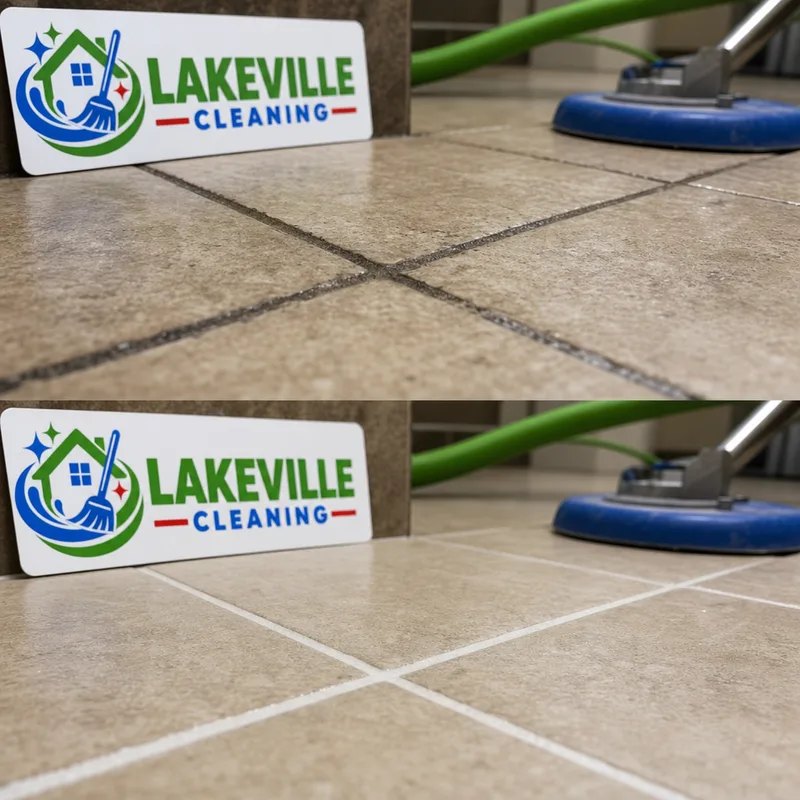
Tile and grout after agitation and extraction with brighter grout lines and no standing water

Grease leaves the cook line and lands everywhere else

Kitchens rarely get dirty where the cooking happens. Vaporized fat leaves the line, travels with the air, and settles on walls, shelf undersides, ceiling tiles and light housings across the room. A spotless griddle can sit in a space that still feels tacky under a fingertip.

The dining room is a different problem running on the same clock. Booth seams, chair legs, table bases, menu surfaces, door glass and the floor beneath table edges are what a guest reads in the first few seconds, long before any food arrives at the table.

Our base at 20855 Kensington Blvd, Suite 4 in Lakeville keeps odd hours practical, which matters in a trade that cleans between a late close and an early prep start. Kitchens in town and over in Farmington and Apple Valley run on roughly the same clock.

Request a Callback
Kitchen and dining room

Where restaurant cleaning earns its keep

Two environments, one building, and a health inspector who looks at both. Listed below are the areas that absorb the most time and cause the most trouble when skipped.

Degreasing above and behind the line

Wall tile, equipment sides, shelf undersides and the hood surround hold cooking film that a nightly wipe never lifts. Degreaser with real dwell time takes it off, and that is the difference between a clean kitchen and a shiny one.

Floor drains and the odor they cause

Most kitchen smells trace back to a drain, a grease trap surround or the grout seam beside one. Drains get scrubbed and flushed rather than rinsed, since a rinse moves the problem a few inches and leaves the smell where it was.

Quarry tile and the grout between it

Kitchen floors hold grease in grout lines and in the texture of the tile itself, where a mop glides straight over the top. Agitation and the right chemistry pull it out, which also restores the slip resistance the tile was chosen for.

Front of house at guest eye level

Booth upholstery seams, table bases, high chairs, window ledges, entry glass and the restroom nobody wants to use. Guests read all of it as the kitchen's standard, fairly or not, so it carries the same weight in the scope.

Ready for an unannounced inspection

Inspections arrive without notice, so a plan has to hold up on a random day rather than a scheduled one. Hard-to-reach areas rotate through the calendar, which keeps any single one of them from sitting months overdue.

Fitting the service clock

Cleaning schedules for kitchens that never fully stop

A restaurant hands cleaners the worst window in commercial work: a few hours between the last table leaving and the first delivery arriving, with a kitchen crew that wants the space back. Breakfast spots, dinner houses and places running straight through the day each leave a different gap, and a schedule has to live inside it rather than argue with it.

How restaurant work usually gets timed:

  • ✓Overnight after close. Crews arrive once the last table clears and finish before deliveries, which suits full kitchen work: hood surrounds, equipment sides, floors and drains with nobody stepping around them.
  • ✓Early morning before prep. Some kitchens would rather lock up and hand the building over at dawn. Dining rooms, restrooms, glass and floors get done ahead of the first shift, with heavier kitchen tasks rotating by day.
  • ✓Periodic deep work on its own date. Behind equipment, above the line and inside the walk-in need the space empty and cold for longer than a nightly visit allows, so they are booked separately on a slower day.

Nightly attention keeps a kitchen level, and it never reaches behind the fryer bank or above the cook line. A periodic reset is what our deep cleaning service is for, and most kitchens want it on a repeating cycle rather than once.

Request a Callback
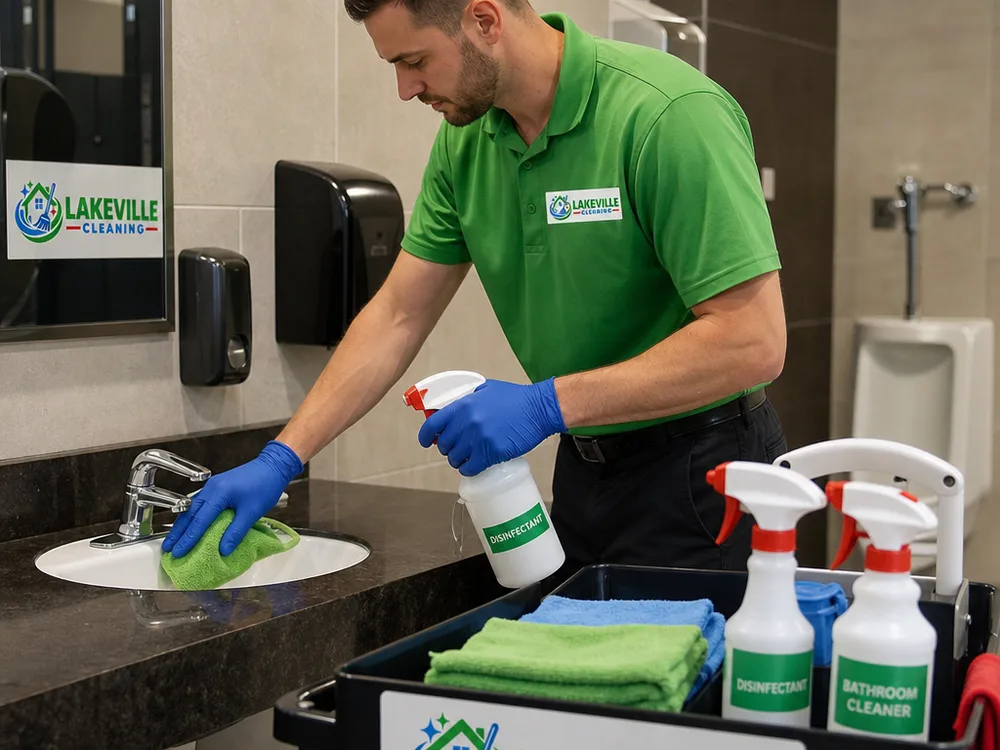
Cleaner disinfecting commercial restroom fixtures with organized supplies and microfiber cloths
Starting in a kitchen

How a restaurant account is set up and scheduled

Most of the setup is about timing and access, since the tasks themselves are not mysterious. Your kitchen manager usually knows exactly where the trouble is.

01

Walk it after a service

Seeing a kitchen at the end of a shift beats seeing it clean. We look at the line, the floors, the walk-in surround, the dish area and the dining room while the day's load is still visible, then talk through what bothers your staff.

02

Split nightly from periodic

Tasks get sorted by how fast each area deteriorates. Floors, drains, dish area and front of house land on every visit, while hood surrounds, shelving and behind-equipment work go onto a rotation with dates attached to them.

03

Agree the handover

Keys, alarm order, which doors stay locked, where chemicals live and who gets called at midnight go in writing before the first night. Kitchens are tight spaces, so where crews stage equipment gets settled too.

04

Adjust after the first weeks

Early visits show whether the window is realistic. If the gap is too short for the full list, tasks move to different nights instead of getting rushed, and your manager sees the revised sheet rather than hearing about it.

Request a Callback
Kitchen pricing

How Much Does Restaurant Cleaning Cost in Lakeville?

Kitchen and dining room work is quoted on the same per-square-foot basis as our other commercial cleaning, roughly $0.10 to $0.25 for recurring service, with most independent restaurants landing in the $300 to $900 per month band. A one-time reset of a kitchen that has not had deep attention in a while is priced separately, commonly $300 to $2,500+.

Grease load is the single biggest factor, followed by how much of the line and hood area is in scope, floor type behind the counter, and the length of the window between close and the next prep start. We quote after seeing the kitchen at the end of a service, since that is the condition the crew will actually meet.

Request a Callback
Kitchen questions

What kitchen managers ask before handing over a key

Can you clean while we are still serving?

Front of house work and restrooms can happen during quieter hours, and some places want a daytime porter for exactly that. Kitchen work is different: floors, drains and equipment surrounds need the line down and the staff out, so that part waits for a close or an early morning. Both can sit inside the same agreement.

Do you clean the hood and exhaust system?

The hood surround, the exterior housing, and the wall and ceiling around it, yes. Inside the duct run and the rooftop fan belongs to a specialist trade that carries its own documentation and inspection schedule, and it stays with the contractor who holds that paperwork. Keeping the two separate also keeps your inspection file straightforward.

Will the smell in our dish area actually go away?

Usually, because that smell is physical rather than atmospheric. It lives in a drain, in grout seams under the machine, in the splash zone behind it, or in a mop sink that never dries. Clean those and the air changes within a day. If it returns on a cycle, something is holding water, and that is a plumbing conversation rather than a cleaning one.

What happens around our walk-in and prep coolers?

Exteriors, gaskets, handles, the floor underneath and the surround get cleaned on a set rotation, since that area collects spills and tracked-in debris all day. Interiors are scheduled when the unit can be emptied, which usually means a slow day rather than a nightly visit. Product handling stays with your kitchen staff throughout.

Does the dining room need its own time in the plan?

It needs its own tasks, which is not quite the same thing. A dining room cleans quickly on the surface and slowly in the details: booth seams, table bases, chair legs, ledges, vents above the seating and the restroom. Those details are what a guest notices, so they get listed separately instead of folded into a line about wiping tables.

Can you get us ready for an inspection next week?

A focused reset before an inspection is a reasonable request, and it is more useful when we know what you expect to be looked at. Hood surrounds, floor drains, grout, behind-equipment areas and storage shelving are the usual pressure points. What a single visit cannot do is undo a long gap, so we will say plainly what is reachable in the time available.

Book a walkthrough

Hand the closing clean to someone else

Tell us your close time, your prep start, and which part of the kitchen causes the most arguments. We will come out after a service, see the place under load, and write a scope that fits the gap you actually have. Get in touch and we will set the visit.

Request a quote

Tell us about your space

Send the basics and we will follow up to arrange a walkthrough and put the scope in writing.