Dealership cleaning · Lakeville, MN

Auto Dealership Cleaning in Lakeville

One building holding two environments: a showroom where glass and floors have to look showroom-grade, and a service department where oil, tire marks and brake dust need an entirely different approach.

✓Showroom and service bays ✓Glass-heavy buildings ✓Concrete and oil spotting
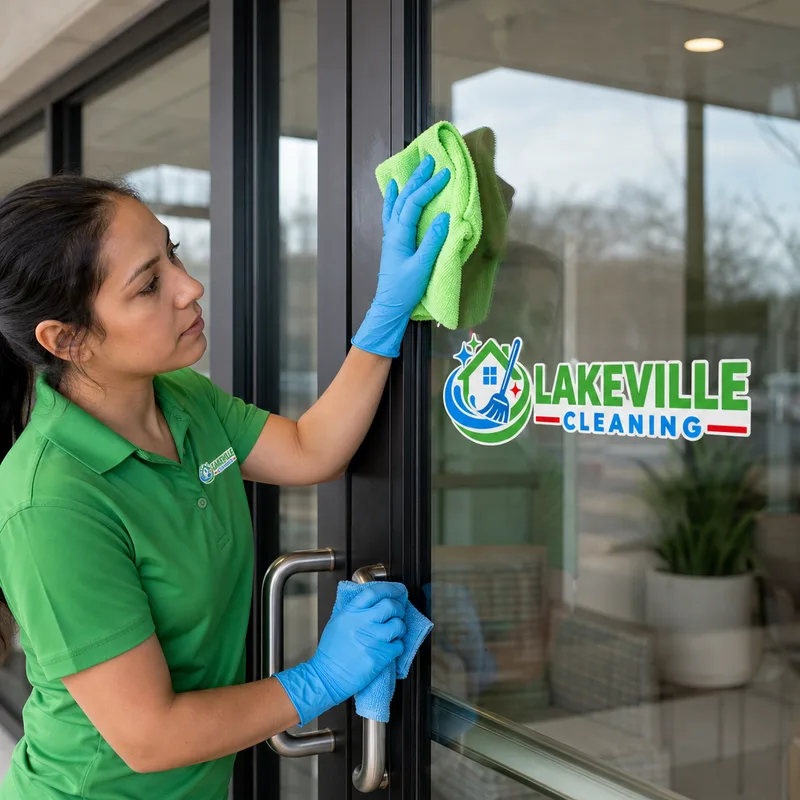
Cleaner removing fingerprints from a glass entry door and adjacent sidelights in a commercial lobby

Two buildings under one roof, cleaned two ways

A showroom is mostly glass and polished floor, lit specifically to make vehicles look their best. The same lighting is merciless about streaks, dust film on display surfaces and tire marks where a car was rolled onto the floor, so this room needs frequent attention and the right finish on it.

Thirty feet away, the service department runs on concrete carrying oil drips, coolant, brake dust and whatever came in on the undercarriage. Showroom chemistry accomplishes nothing against that, and the floor there is judged by whether it is safe and controlled rather than whether it shines.

Running from 20855 Kensington Blvd, Suite 4 in Lakeville means a crew can realistically cover both halves on a schedule that respects the service department's hours, which usually start earlier than the sales floor opens.

Request a Callback
Both halves

What dealership cleaning covers across the building

Each area of a dealership fails in its own particular way, which is why the scope gets written zone by zone rather than as one list applied building-wide.

Showroom glass, inside and out

Entry doors, display walls, partitions and the glass vehicles sit behind all show handprints and dust film under display lighting. This is the most visible recurring task in the building and the one customers notice within seconds of arriving.

Showroom floor and vehicle marks

Polished concrete, tile or epoxy under display vehicles picks up tire scuffing, dust from the lot and foot traffic from the door. Methods match the finish, since an aggressive pad on a polished floor costs more to correct than it saves.

Customer lounge and restrooms

People wait here for long stretches, so it gets judged closely: seating, tables, the coffee area, children's space, television surrounds and floors. Restrooms in a dealership see heavy public use and need frequent supply checks.

Service bays and the concrete

Bay floors need dry pickup, degreasing and spot treatment for oil and fluid marks, plus attention to the drains and the apron by the doors. Technicians handle equipment and vehicles; the crew handles the floor and the surrounds.

Offices, service desks and parts

Sales offices, the service write-up area, cashier windows and parts counters carry constant paperwork and hand contact. They get standard office attention, with the dust coming off the shop side accounted for in the frequency.

Zoning the work

Scoping a dealership by zone instead of by square foot

Dealership scopes go wrong when the building is priced as one number. The showroom may want daily attention while the bays need a weekly deep pass and a monthly floor cycle, and the lounge sits somewhere between. Splitting the building into zones with their own frequencies produces a schedule that matches how each area actually deteriorates.

Zones usually carry their own frequency:

  • ✓Showroom and customer-facing space, highest frequency. Glass, floors, lounge and restrooms every visit, often before opening, because this is the part a customer forms an opinion about while walking from the lot to the door.
  • ✓Service department, scheduled around the bays. Floor work happens when lifts are clear and vehicles are out, which usually means a weekend or an evening. Write-up areas and the customer path through service get covered more often than that.
  • ✓Periodic floor cycles per surface. Showroom finish and bay concrete both need restorative work, on different intervals and with different equipment. Those cycles are dated in advance so a bay is not needed on the day it is scheduled.

Service bay concrete holds embedded oil, fluid spotting and dust loads that no mop will address, which puts it in a different category of work. Our industrial cleaning service covers that side, with scrubbers and degreasers built for a shop floor rather than a sales floor.

Request a Callback
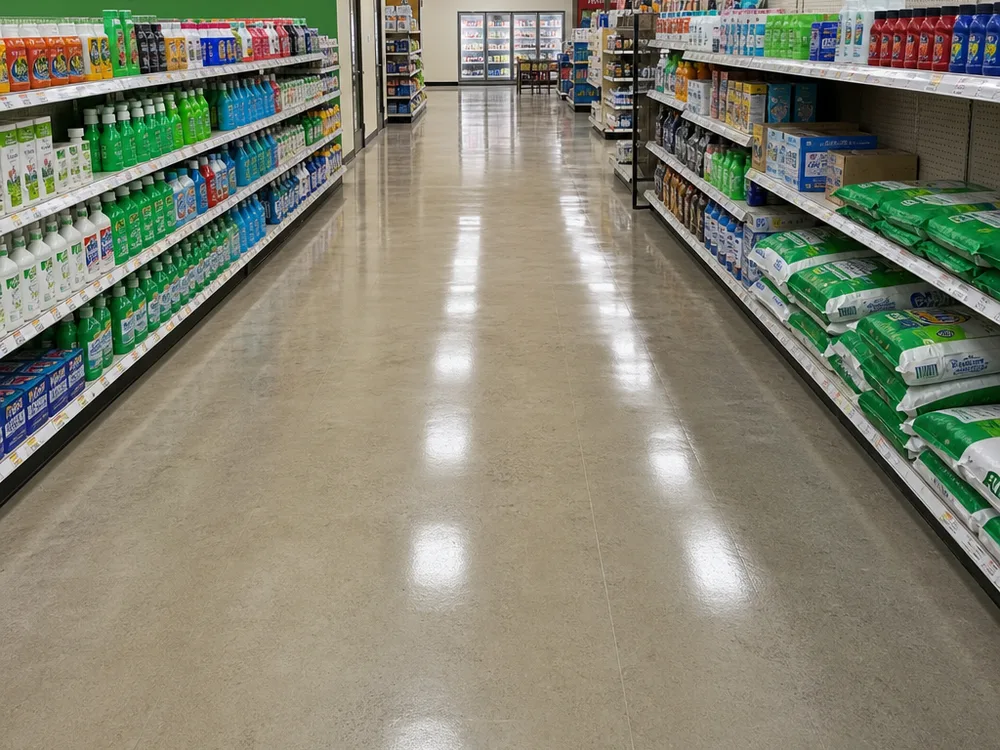
Finished retail aisle floor with clean traffic lanes and a consistent sheen during off-hours
Building the scope

Setting up a dealership account across both departments

The planning conversation needs someone from sales and someone from service, because the two halves want different things and rarely share a schedule.

01

Tour both sides with both managers

A general manager and a service director see different problems. Walking the showroom, lounge, write-up area, bays and parts with both avoids a scope where one department is covered properly and the other was never really asked.

02

Identify finishes before methods

Showroom flooring, bay concrete, glass coatings and display surfaces each dictate what can be used on them. Getting this wrong in a glass-heavy building is expensive, so finishes get identified at the tour rather than assumed later.

03

Build the schedule around service hours

Bays often open early and run late, while the showroom is quiet at both ends of the day. Zone timing follows those realities, with floor cycles slotted into the gaps the service director confirms are genuinely free.

04

Correct it once floors have cycled

The first restorative pass on both floors shows how fast each surface really soils, which is usually different from the initial estimate. Frequencies get corrected then, while the account is still young enough to change easily.

Request a Callback
Zoned pricing

How Much Does Dealership Cleaning Cost in Lakeville?

Dealership work is quoted by zone rather than as one flat rate, though the underlying basis stays about $0.10 to $0.25 per square foot for recurring service. Showroom and customer areas usually sit in the $300 to $900 per month range on their own; adding service bays and a full building commonly brings it to $1,200 to $6,000+ per month.

Showroom glass area is the biggest single driver on the front side, and bay floor condition on the back. Because those two environments need different products and different passes, we price them separately and then quote the building as a whole.

Request a Callback
Service directors ask

Questions that come up when a dealership changes cleaners

Can one company handle both the showroom and the shop?

Yes, and keeping it with one company is usually simpler, provided the scope treats them as separate zones with separate methods and frequencies. The failure mode is a single generic scope applied building-wide, which leaves the showroom under-serviced and the bays getting a method that was never going to work on shop concrete.

Do you touch the vehicles?

No. Vehicles are not cleaned, moved or wiped, inside or out, and nothing gets leaned against them. Crews work around display cars on the showroom floor and around vehicles in the bays. Anything requiring a car to be repositioned is scheduled when your staff have already cleared the area.

What keeps showroom glass clear under display lighting?

Technique and timing. Display lighting reveals every streak, so glass is worked with clean solution and a squeegee or microfiber finish rather than a quick spray and wipe, and edges get dried so run lines do not appear later. Scheduling it before opening means the first person to see it in that lighting is a customer, not a cleaner.

What happens to oil spots that have been on the concrete for years?

Degreasing lifts a good deal of surface oil and brightens the floor considerably, and honesty about the rest helps. Oil absorbed deep into unsealed concrete has stained it, and that is a sealing or repair question rather than a cleaning one. The walkthrough is where that distinction gets made plainly.

Can the lounge be cleaned while customers are waiting in it?

Light upkeep yes, a full clean better scheduled otherwise. Coffee areas, tables, trash and spot work can happen discreetly during the day, and many dealerships want exactly that during busy service hours. Floors, upholstery and a thorough restroom clean are easier before opening or after close.

Does the shop need cleaning as often as the showroom?

Less often, but more intensively when it happens. A showroom degrades visually every day from hands and feet, while bay concrete accumulates over weeks and then needs machine work. That difference is why zoned frequencies make more sense here than one schedule covering the whole building.

Tour the building

Get a zoned scope for your dealership

Tell us your showroom size, bay count and the hours each department runs. We will tour both halves with your managers, identify the finishes, and return a scope priced by zone with floor cycles dated separately. Reach out to arrange the tour.

Request a quote

Tell us about your space

Send the basics and we will follow up to arrange a walkthrough and put the scope in writing.